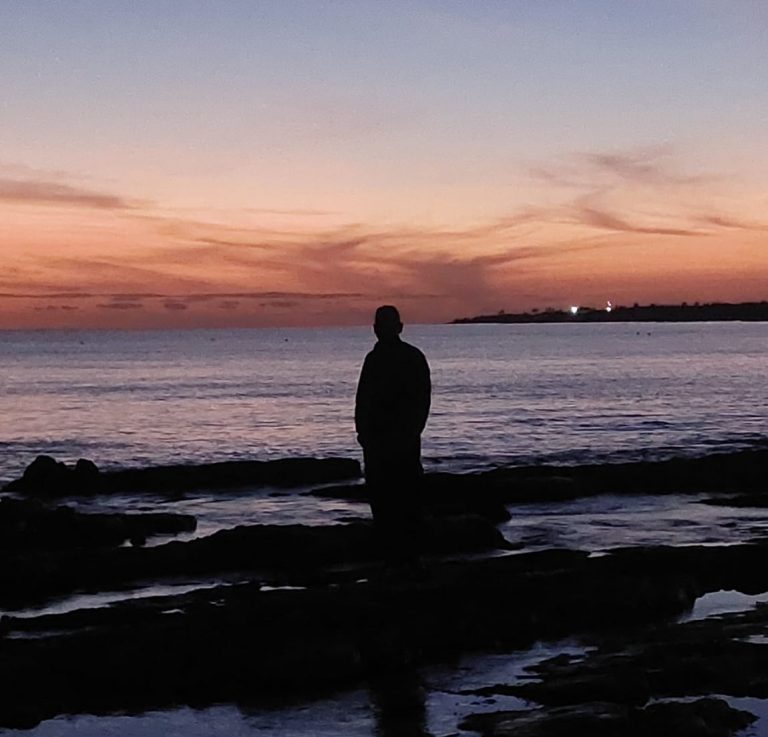
Did Italy really invent summer in Salento? Of course not. But sometimes, you could almost believe it. When the sun sets over the Ionian Sea, the narrow streets of little towns come alive again in the evening, and the smell of freshly baked bread drifts out of a local bakery, it’s easy to understand why this region captures so many hearts.
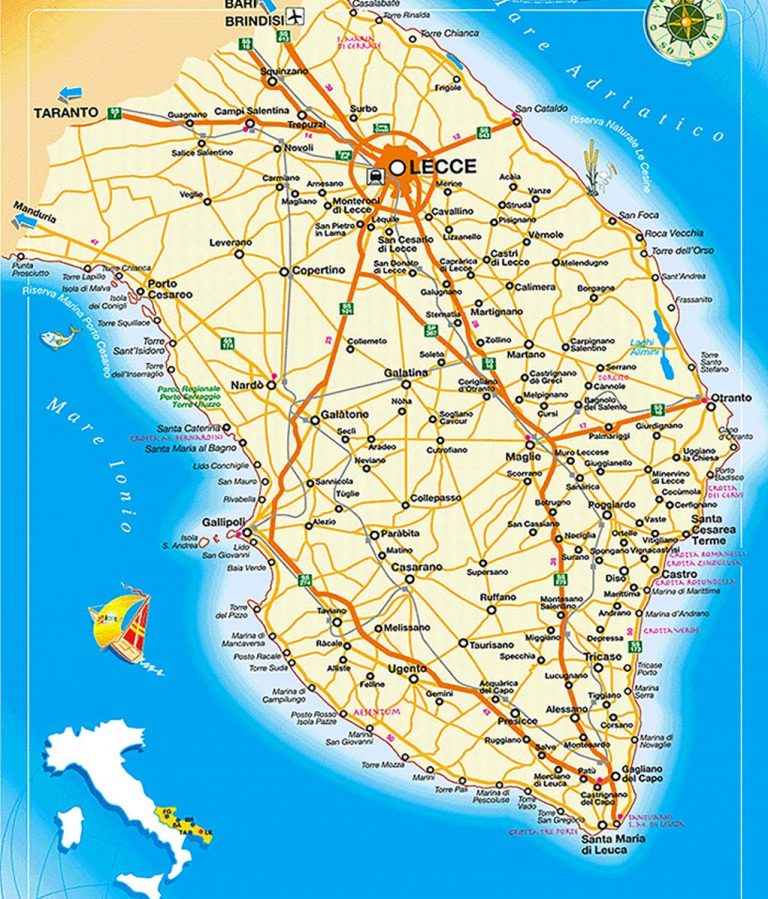
Salento lies in the far southeast of Puglia, forming the heel of Italy’s famous boot. Between the Adriatic Sea to the east and the Ionian Sea to the west stretches a landscape full of contrasts: sandy beaches and rocky coastlines, historic towns and small villages, open countryside, olive groves and centuries-old traditions.
I’ve been living here since 2019, and I still discover new sides of this region. Some are beautiful, others surprising, and a few are a little chaotic in that distinctly southern Italian way. But for me, it’s precisely this mixture that makes Salento so special.
Two Seas and a Coastline Full of Contrasts
One of Salento’s most distinctive features is its location between two seas. When you spend your holiday here, you can discover very different coastal landscapes without ever leaving the region.
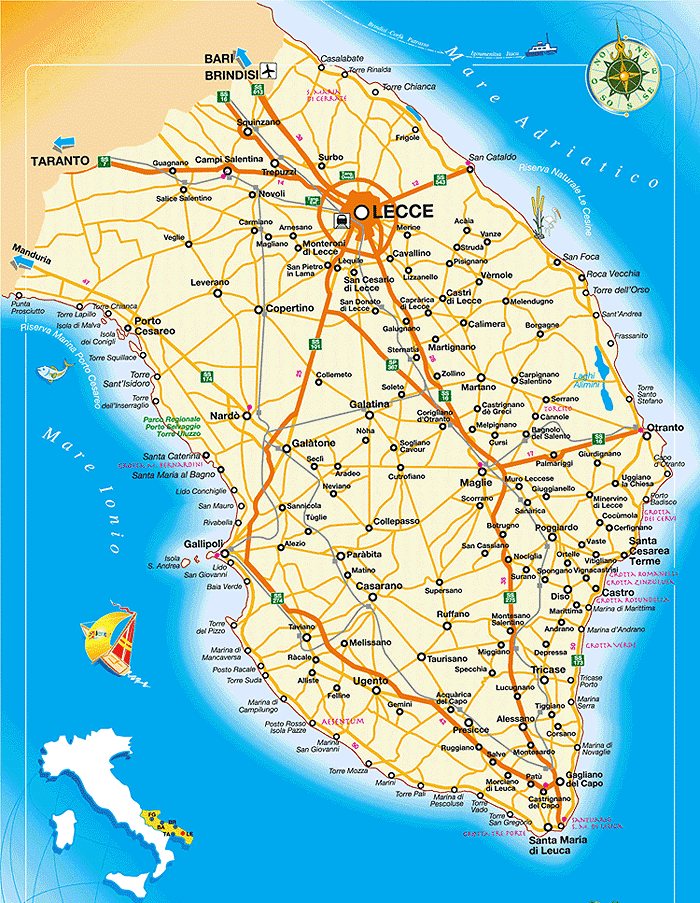
Along the Ionian coast, you’ll find long sandy beaches in many places, gently sloping seabeds and beautiful dunes. Places such as Torre San Giovanni, Torre Mozza, Lido Marini and Pescoluse are especially popular during the summer months.
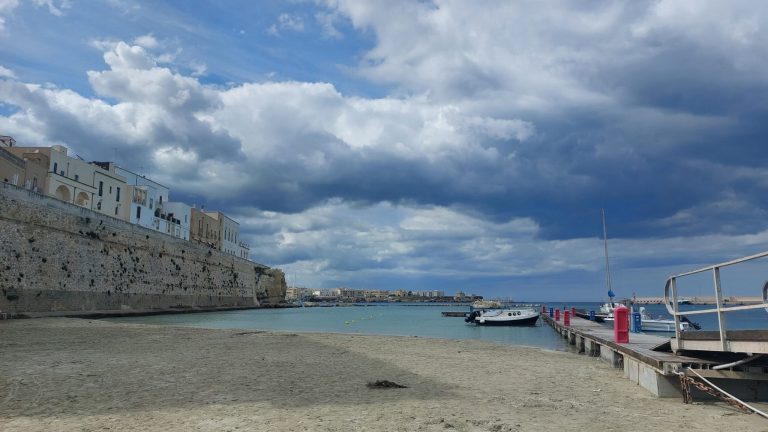
The Adriatic coast, on the other hand, often reveals a different character: rocky stretches, small coves, sea caves and spectacular views across the water. Around Otranto, Santa Cesarea Terme and Castro, you can discover some of these landscapes. Of course, there are also lovely sandy beaches along the Adriatic.
Choosing the best coast for swimming doesn’t just depend on your personal preferences. The wind also plays an important role. The Tramontana and Scirocco winds can make the sea rough on one side of the peninsula while conditions on the other side may be considerably calmer.
My tip: Don’t plan your entire holiday around just one beach. Especially if you’re travelling by car, it’s worth staying flexible and choosing your beach days according to the wind and sea conditions.
Lecce, Otranto, Gallipoli – and the Little Villages in Between
Salento has much more to offer than beautiful beaches. Its towns and villages tell the story of a long and eventful past, shaped by different cultures over the centuries.
Lecce is particularly famous for its Baroque architecture. Elaborately decorated façades, churches and palaces built from the region’s pale limestone give the city its unmistakable character. A walk through the historic centre takes you past beautiful squares, old buildings, small shops and plenty of cafés.
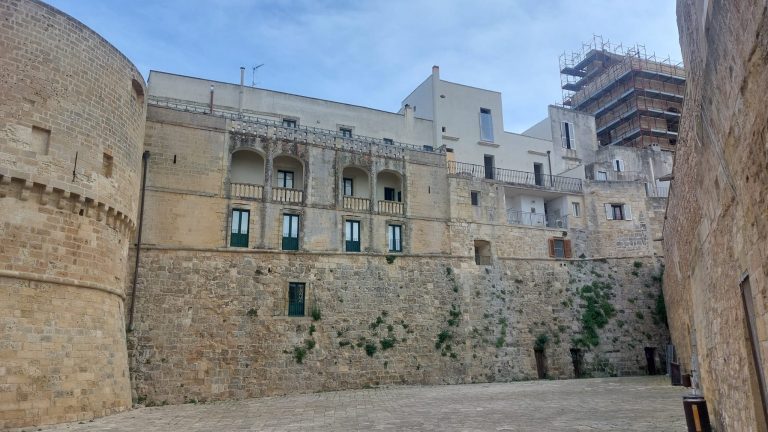
Otranto sits directly on the Adriatic coast and charms visitors with its historic centre, cathedral and famous 12th-century floor mosaic. The imposing Aragonese Castle is another reminder of the town’s fascinating history.
Gallipoli combines an old town situated on an island with a lively harbour and the nearby Ionian Sea. In the evening, its narrow streets and squares take on a particularly special atmosphere.
But it’s also worth looking beyond these well-known destinations. Inland, you’ll find small villages with old houses, hidden courtyards, churches and piazzas where everyday life often moves at a completely different pace.
My tip: Don’t fill your itinerary with famous sights alone. Sometimes, a stroll through a small village where seemingly nothing extraordinary is happening becomes one of your favourite holiday memories.
Discover Nature – Coastlines, Pine Forests and Olive Groves
Nature lovers will also find plenty to explore in Salento. Beyond the beaches, there are protected landscapes, coastal paths, pine forests, wetlands and stretches of agricultural countryside.
One example is the Parco Naturale Regionale Litorale di Ugento along the Ionian coast. Here, sand dunes, Mediterranean vegetation, pine forests and wetlands come together. If you take the time to look closely, you can discover different plants and animals depending on the season.
Further north lies Porto Selvaggio, a protected natural area with pine woodland, rocky coastline and a well-known bay. A visit can be combined with a lovely walk, although suitable footwear is recommended depending on the path you choose.
Olive trees have also been part of Salento’s landscape for centuries. Unfortunately, the bacterium Xylella fastidiosa has severely damaged large areas of traditional olive groves. Many ancient trees have died, and some parts of the countryside look very different today from the pictures you might have seen in older travel brochures.
These changes are part of the region’s reality, alongside the efforts of many local people to preserve its agriculture and landscape for the future.
My tip: If you enjoy walking or nature photography, spring and autumn are particularly interesting times to visit. Temperatures are often more comfortable for longer walks than during the midday heat of summer.
Culture and Traditions – Still Alive in Salento
Salento’s history stretches back thousands of years. The Messapians, Romans, Byzantines, Normans and other peoples and rulers have all left their mark on the region. Their influence can still be seen in its architecture, historic sites and cultural traditions.
One particularly interesting area is Grecìa Salentina, south of Lecce, where Griko, a language with Greek roots, remains part of the local cultural heritage.
Music and dance also play an important role in Salento. The best-known example is the Pizzica, a traditional dance closely connected to the history of tarantism. Today, it is performed at festivals, concerts and cultural events.
One of the region’s best-known musical events is the Notte della Taranta, a festival that celebrates traditional music while bringing it together with contemporary influences.
Religious festivals, processions, celebrations honouring patron saints and local customs are also an important part of life in many communities. Especially during summer, you may come across beautifully decorated streets, spectacular illuminations and events deeply rooted in the history of each town or village.
My tip: If a local festival takes place during your stay, stop by and have a look. These events often offer a wonderful glimpse into everyday local culture. Just keep in mind that road closures and changes to traffic arrangements are sometimes part of the celebrations.
Discover Salento Through Its Food
If you really want to get to know a region, exploring its food is a wonderful place to start. And Salento certainly has plenty to offer.
Traditional Salento cuisine is closely connected to simple, locally available ingredients. Vegetables, pulses, grains, olive oil and fish all play an important role.
Typical specialities include ciceri e tria, a pasta and chickpea dish with some of the pasta fried until crispy, crunchy frise topped with tomatoes and olive oil, and small fried dough balls known as pittule.
Don’t miss Salento’s sweet side, either. One of the best-known treats is the pasticciotto, a shortcrust pastry filled with custard. It goes beautifully with a caffè in ghiaccio, an espresso served over ice, optionally with sweet almond milk or syrup.
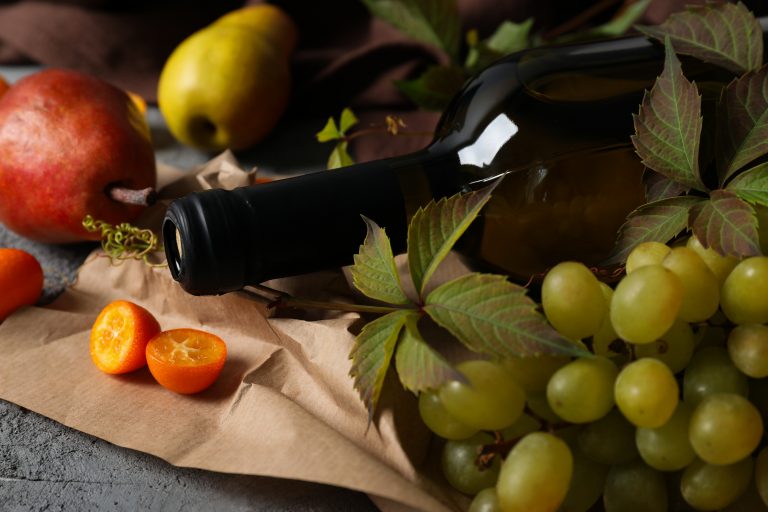
And of course, wine is also part of the region’s heritage. Grape varieties such as Primitivo, Negroamaro and Susumaniello represent an important part of Salento’s winemaking tradition.
My tip: Don’t limit yourself to dishes you already know. Small trattorias and weekly markets are wonderful places to discover regional specialities you may never have tried before.
Salento Is More Than Just Summer
Despite what the title of this article might suggest, Salento isn’t only a summer destination.
In spring, the countryside often shows its greenest and most colourful side. Temperatures are generally more pleasant for excursions, walks and exploring historic towns.
Summer brings long days, lively seaside towns, beach holidays and numerous events. At the same time, it’s the busiest travel season. Particularly in July and August, temperatures can be high, and some places become crowded and noisy.
In autumn, many places become quieter again. Depending on the weather, there may still be opportunities to enjoy the beach and swim in the sea. It’s also a lovely season for exploring the region away from the summer crowds.
Even in winter, Salento has a character of its own. The beaches are often deserted, the sea sometimes reveals its stormy side, and village life returns to its everyday rhythm.
However, you should know that many tourist businesses along the coast are closed outside the main season. The weather can also be cool, windy and damp. A winter visit therefore offers a very different experience from a holiday in August.
My tip: Before travelling, think about what you’d like from your holiday. Are you mainly looking for swimming and beach clubs? Or are you more interested in nature, history, small villages and local life? Choosing the right time of year can make a big difference.
What You Won’t Find in Every Travel Guide
Salento is beautiful, but of course it isn’t perfect. Travelling around the region, you may encounter potholes, unpredictable opening hours, roadworks, chaotic traffic or seaside towns where very little is open outside the summer season.
It’s also worth remembering that distances can be deceptive. Places may look close together on a map, but narrow country roads, journeys through town centres and summer traffic can make travelling take longer than expected.
At the same time, I often experience little moments here that simply can’t be planned: a friendly conversation while shopping, an unexpectedly beautiful sunset or a village I only intended to drive through but ended up stopping to explore.
For me, it’s precisely this combination that gives the region its character. Salento isn’t a perfectly staged holiday paradise. It’s a place where people live, work and keep their traditions alive.
My Salento – and Perhaps Soon Yours Too
Salento has been my home since 2019. During this time, I’ve not only discovered many beautiful places but also learned how differently the region can appear depending on the season, the weather and your own perspective.
Through Salento Reisen, I’d love to share this variety with you. Not just the famous sights and beaches, but also the little details that can make a stay feel personal and memorable.
Whether you’re visiting Salento for the first time, travelling with your dog, hoping to explore outside the busy summer season or looking for ideas for independent day trips, I’m happy to share my experiences and help you find options that suit your stay.
Do you have questions or would you like to plan your Salento holiday? Simply send me a message via WhatsApp or email.
I’d love to help you discover Salento as I experience it every day.