Sun, Sea and Two Beautiful Coastlines
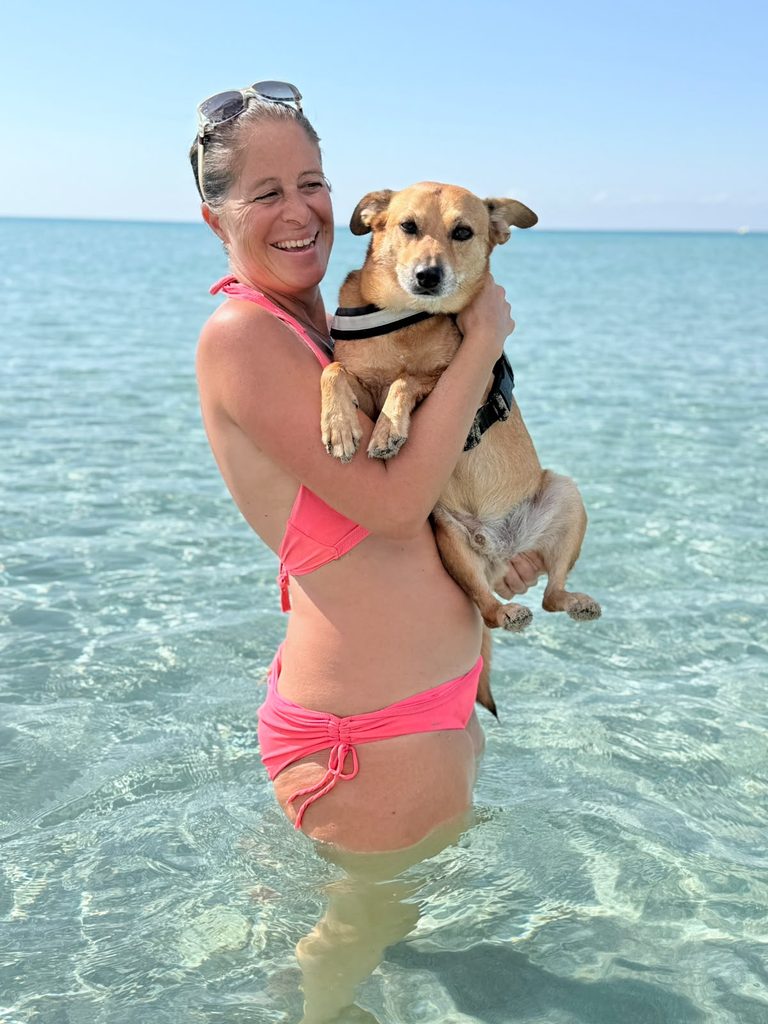
Fine sand beneath your feet, crystal-clear water and the gentle sound of the waves: the beaches of Salento are among the highlights of a holiday in Southern Italy. But no two beaches here are quite the same.
Between the Adriatic coast and the Ionian Sea, you’ll find long sandy beaches, beautiful dunes, rocky stretches of coastline and small hidden coves. Each coast has its own character, and depending on the weather, the season and your personal preferences, one beach may be better suited to your perfect day by the sea than another.
I live in Salento and enjoy the sea throughout the year, not just during the height of summer. The quieter months reveal a completely different, often particularly beautiful side of this region. Here, I’d like to share some practical tips to help you make the most of your beach holiday.
The Ionian Sea – Sandy Beaches, Dunes and Sunsets
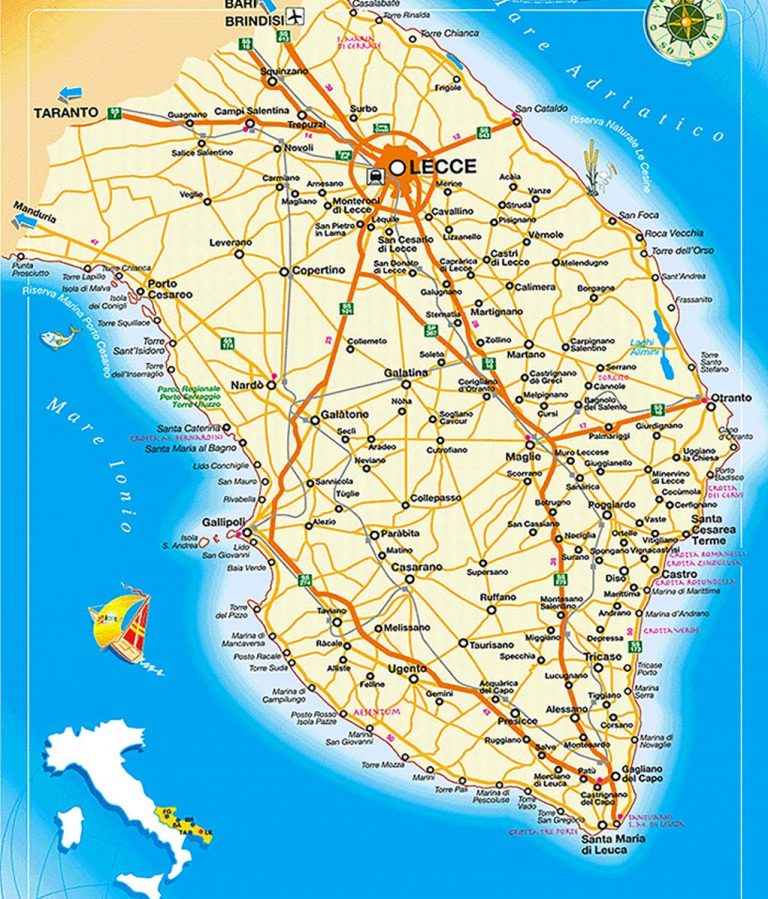
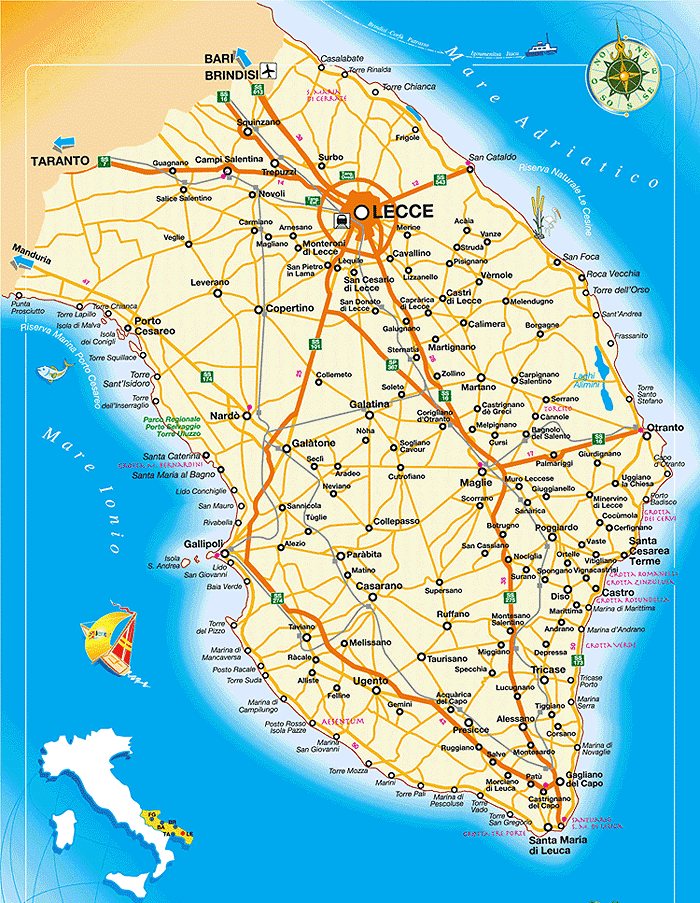
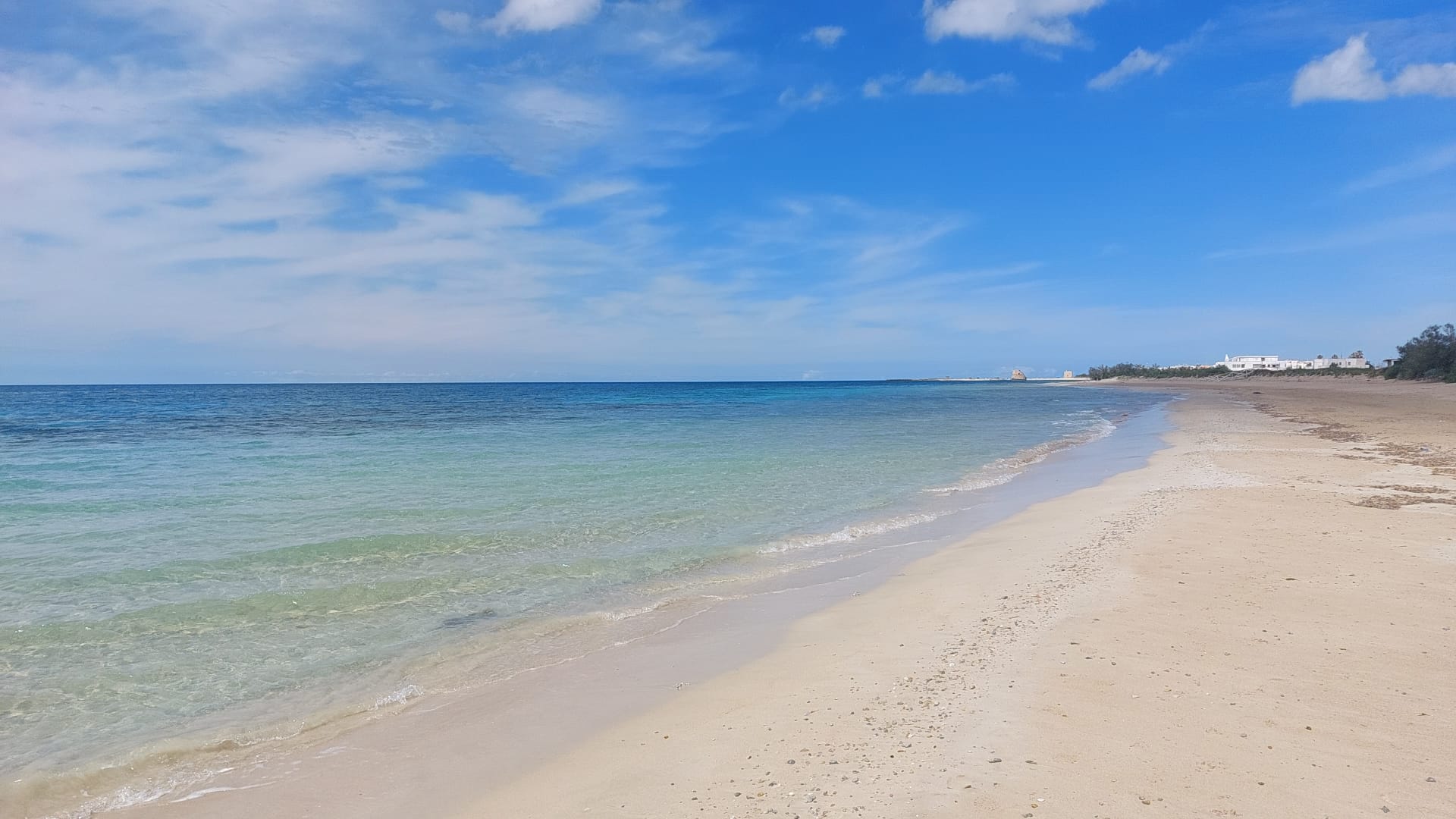
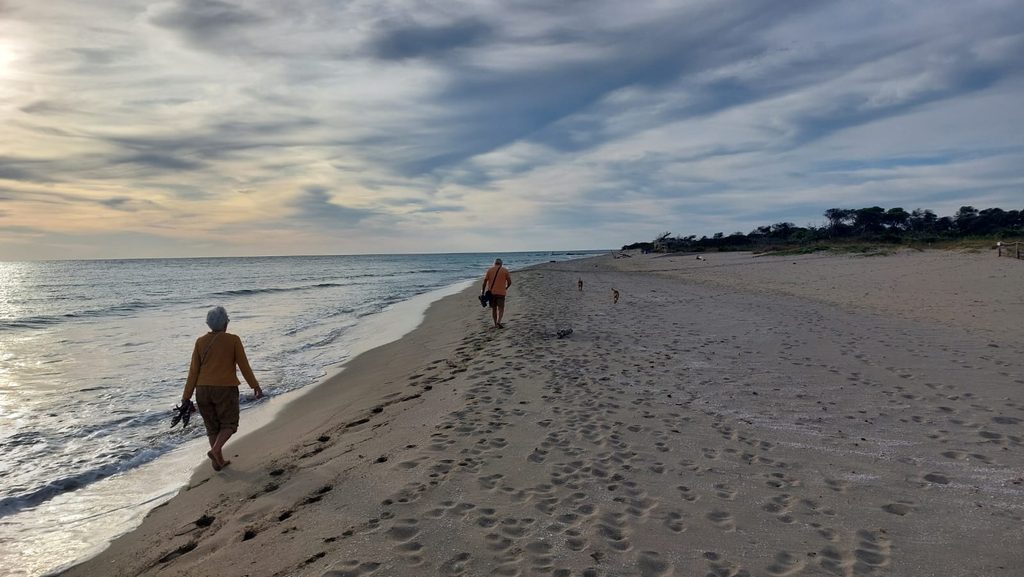
The Ionian coast on the western side of Salento is particularly famous for its long sandy beaches and often turquoise waters. Places such as Torre Lapillo, Punta Prosciutto, Torre San Giovanni, Torre Mozza and Lido Marini offer plenty of opportunities for a relaxing day by the sea.
Along many stretches of this coastline, the seabed slopes gently into the water, which can be especially convenient for families with children. However, it’s always important to pay attention to waves, wind, currents and local safety warnings. Even a shallow beach isn’t necessarily safe in all weather conditions.
During the summer, the most popular beaches can get very busy. Outside the peak season, however, you can enjoy long walks along the shore, watch the sea and experience a peaceful atmosphere that’s almost impossible to imagine in August.
My tip: Don’t choose a beach simply because it’s famous. Sometimes a lesser-known stretch of coastline close to where you’re staying can be an even more enjoyable choice.
The Adriatic Coast – Rocky Coves and Spectacular Views
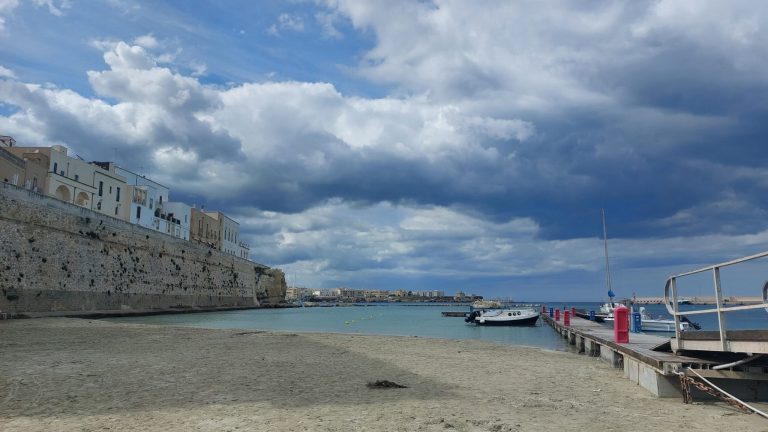
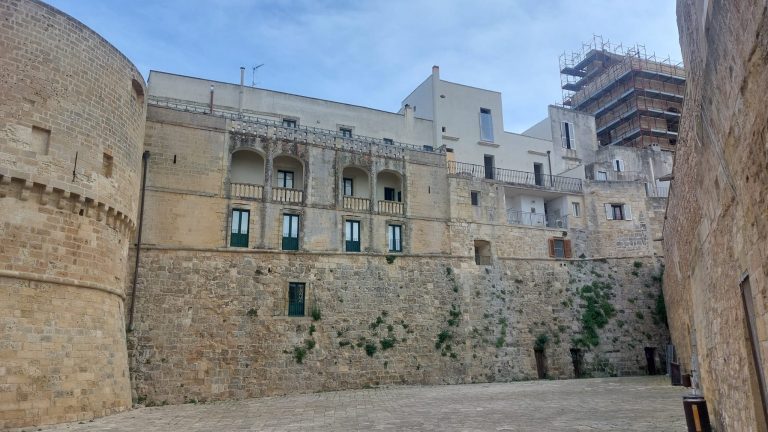
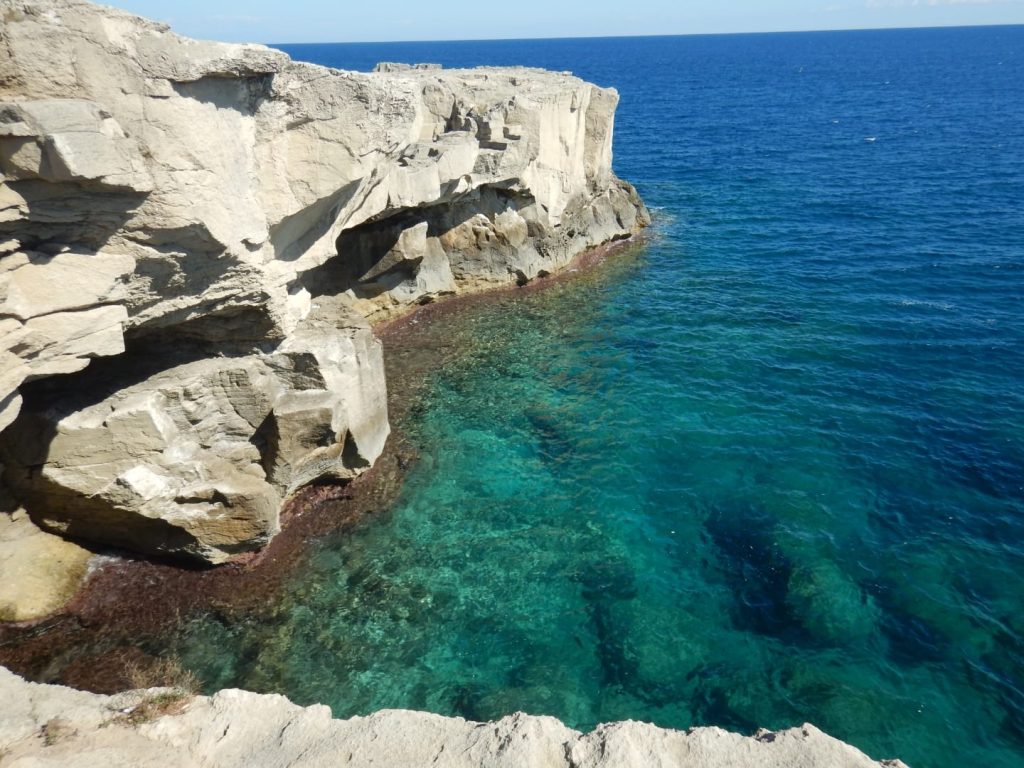
On the eastern side of Salento, the coastline is often rockier and more varied. Particularly between Otranto, Santa Cesarea Terme and Castro, you’ll discover impressive rock formations, small coves, sea caves and breathtaking views across the Adriatic Sea.
The clear water makes many parts of this coastline attractive for snorkelling. However, reaching the sea isn’t always as easy as it is on a sandy beach. In some places, steps or rocky paths lead down to the water, while in others the seabed drops away quite steeply.
But the Adriatic coast isn’t all rocks and cliffs. You’ll also find beautiful sandy beaches here, including Torre dell’Orso and the Alimini area north of Otranto.
My tip: If you’re planning to visit a rocky cove, check how to access it beforehand and bring suitable footwear. When the sea is rough, avoid swimming along exposed rocky sections of the coastline.
Which Beach Is Right for You?
Whether you prefer relaxing on a sun lounger, building sandcastles with the children, snorkelling or taking long walks by the water, Salento has plenty to offer.
For families, easily accessible sandy beaches with gently sloping seabeds are often a practical choice. If you love snorkelling, you might prefer rocky coves with clear water. And if you’re looking for peace and quiet, consider exploring the coast in spring or autumn.
But the scenery isn’t the only thing that matters. Accessibility, parking, shade, toilet facilities and current sea conditions can all play an important role in choosing the right beach.
Lido or Spiaggia Libera – What’s the Difference?
When visiting beaches in Italy, you’ll often come across two terms: lido and spiaggia libera.
A lido is an organised beach establishment where you can usually rent sun loungers and parasols. Depending on the establishment, you may also find a bar, toilets, showers and other facilities. Prices vary according to the location, season and position on the beach.
A spiaggia libera, on the other hand, is a freely accessible public beach area where you can bring your own parasol and beach equipment. Free access to the beach doesn’t necessarily mean that parking or other services are free of charge.
My tip: Especially in July and August, it’s worth booking your preferred lido in advance. If you’d rather have more flexibility, look for the public beach areas nearby.
Tramontana or Scirocco – Why the Wind Matters
Anyone spending time in Salento will soon become familiar with two names: Tramontana and Scirocco.
The Tramontana is a northerly wind, while the Scirocco blows from the south or southeast and often brings warm, humid air.
Depending on the wind’s direction and strength, the sea can be calm along one stretch of coastline and much rougher along another. That’s why it’s worth checking not only the sunshine forecast but also the wind, waves and any local warnings before heading to the beach.
My tip: If it’s particularly windy at your chosen beach, it may be worth considering the other coast. However, don’t rely on a simple rule about wind direction: the actual conditions on the day are what matter most.
Visiting the Beach in Summer – A Few Practical Tips
During the height of summer, busy car parks, crowded beaches and high temperatures are part of everyday life in Salento’s coastal towns. With a little preparation, though, you can make your beach day much more relaxing.
Try to arrive early at particularly popular beaches, bring plenty of drinking water and sun protection, and pay attention to local parking regulations. Not every empty space beside the road is a legal parking spot.
Please also respect the dunes, protected plants and restricted natural areas. These delicate coastal landscapes are an important part of what makes Salento so special.
And of course, there’s one simple rule: take everything you bring to the beach home with you. That way, we can all help preserve the beauty of this coastline.
The Sea in Salento Is Special in Every Season
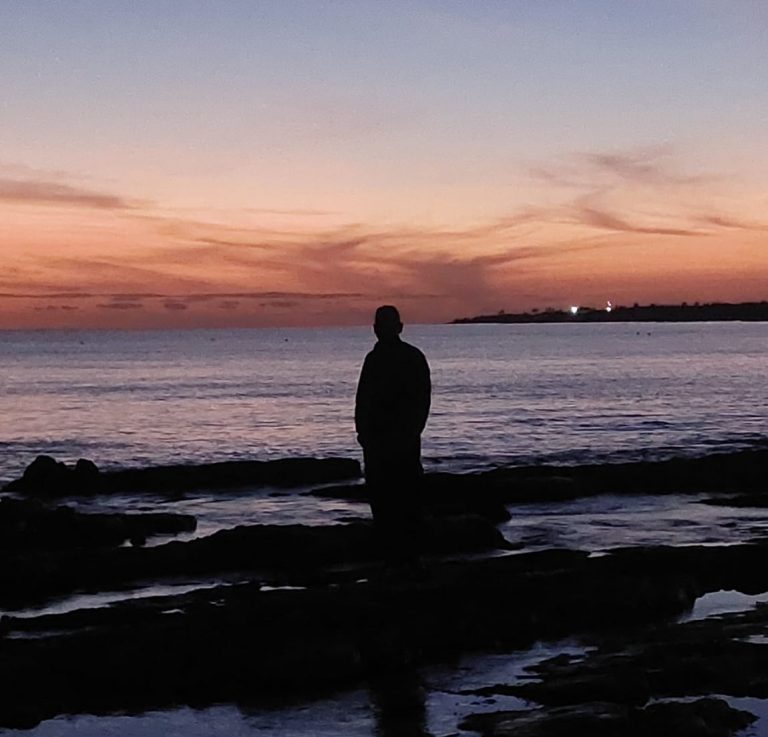
For me, Salento is about much more than swimming in turquoise waters. It’s also about walking along almost deserted beaches, enjoying the special atmosphere of the evening and experiencing those moments when there’s nothing in front of you but the sea.
In summer, many coastal towns are full of life. Families spend their holidays at the beach, friends meet for an aperitivo, and seaside bars are buzzing with activity.
In autumn and winter, however, the sea often reveals a quieter, sometimes wilder side. The beaches once again belong to walkers, seagulls and the waves.
Both have their own charm. And perhaps it’s outside the traditional beach season that you’ll discover a side of Salento you never expected.
More Than Just a Beach Holiday
A day by the sea can easily be combined with other experiences. You might spend the morning wandering through a historic old town, enjoy a regional speciality for lunch and relax on a beautiful beach in the afternoon.
In my article Towns and Cities in Salento – Three Special Places and Their Stories, I introduce you to Lecce, Otranto and Gallipoli.
If you’d like to make your holiday even more varied, you’ll find further inspiration among my offers and excursion ideas.
Looking for the Perfect Beach for Your Holiday?
Whether you’re looking for a sandy beach, a rocky cove, a peaceful stretch of coastline or a varied day trip, I’d be happy to help you explore the possibilities and plan your stay in Salento around your interests.
Simply contact me via WhatsApp or email.
Personal, straightforward and directly from Salento – Mara.